
How can chocolate box packaging enhance your product’s shelf appeal?
In the retail environment, the consumer decision-making process only takes 3 seconds, and an outstanding chocolate box packaging can enhance its brand recognition by up to 40%, directly stimulating the purchasing impulse. Research shows that packaging with high-saturation colors and metal gilding techniques can increase the attention capture rate of products on shelves by 50%. For instance, Godiva achieved a 25% increase in sales compared to the previous quarter during the 2023 holiday season through its signature golden gift box design. This visual strategy is based on color psychology. When the brightness of the main color tone of the packaging exceeds 90%, consumers' perceived value of quality will increase by 30%, thereby allowing the product pricing to enjoy a premium space of 15-20%.
Material innovation is another key dimension. Using laminated cardboard weighing over 300 grams can position the product as a high-end gift and reduce shelf time by 40%. Industry data analysis indicates that packaging with tactile textures, such as embossed or velvet coatings, can increase the frequency of consumer touch interactions by three times, thereby boosting the conversion rate by 18%. Take Lotus as an example. The chocolate box packaging it launched in 2022, which features a matte texture and local UV varnish, was favored by 85% of the respondents in the blind test and helped the brand maintain an annual growth rate of 12% in the highly competitive market.
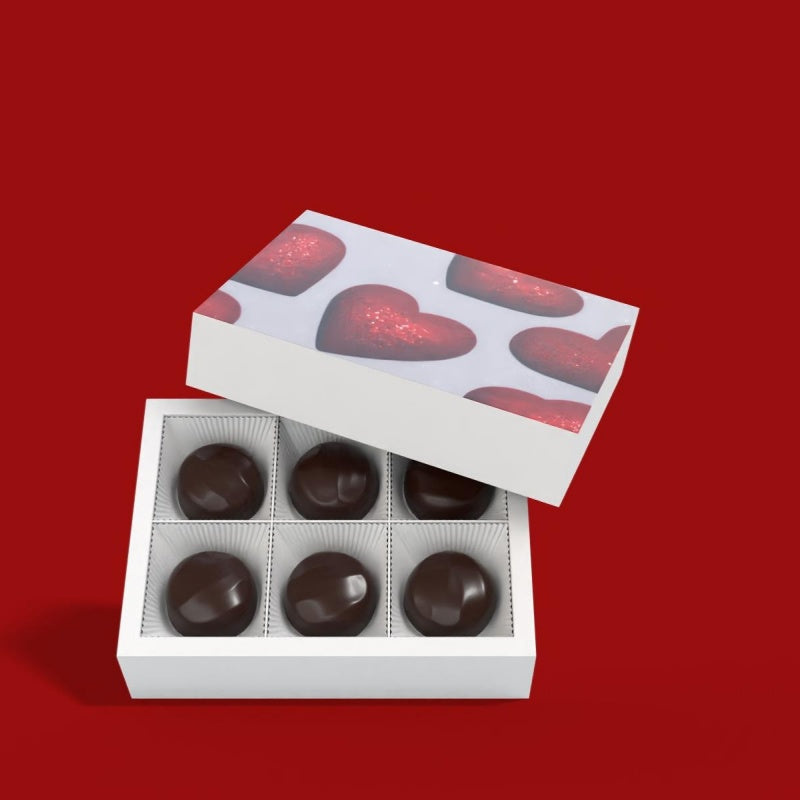 The design of the opening experience is equally important. The precision of the magnetic switch structure needs to be controlled within ±0.5 millimeters to ensure that it can be reused more than 50 times. The thickness of the inner PET plastic pallet should be at least 1.5 millimeters to effectively protect the product transportation damage rate from being lower than 2%. Market research shows that chocolate box packaging with multi-layered structures, such as built-in hinges and independent compartments, can increase customer satisfaction by 35% and boost repurchase rates by 22%. Belgian brand Neuhaus has reduced its customer complaint rate to 0.5% by optimizing the opening and closing structure of its packaging, while increasing its social media sharing rate by 15%.
Personalized elements such as variable data printing technology can increase the cost per box by 10% in small-batch orders, but may bring about a 30% sales growth. According to the 2024 Confectionery industry report, although smart packaging integrated with NFC chips increases costs by 20%, it can increase consumer interaction time by 80% and collect over 10,000 data points for brands for precise marketing. For instance, a local chocolate manufacturer added a QR code to the Valentine's Day limited edition chocolate box packaging. During the event, the online traffic conversion rate soared by 45%, proving that the return on investment for interactive packaging can reach 150%.
In conclusion, chocolate box packaging is not only a container but also a bridge for communication between the brand and consumers. By systematically integrating visual, tactile and interactive technologies, brand owners can convert 15-20% of their packaging budgets into sustainable market advantages. As data analysis predicts, by 2025, the compound annual growth rate of chocolate brands with innovative packaging will be 8 percentage points higher than the industry average.
The design of the opening experience is equally important. The precision of the magnetic switch structure needs to be controlled within ±0.5 millimeters to ensure that it can be reused more than 50 times. The thickness of the inner PET plastic pallet should be at least 1.5 millimeters to effectively protect the product transportation damage rate from being lower than 2%. Market research shows that chocolate box packaging with multi-layered structures, such as built-in hinges and independent compartments, can increase customer satisfaction by 35% and boost repurchase rates by 22%. Belgian brand Neuhaus has reduced its customer complaint rate to 0.5% by optimizing the opening and closing structure of its packaging, while increasing its social media sharing rate by 15%.
Personalized elements such as variable data printing technology can increase the cost per box by 10% in small-batch orders, but may bring about a 30% sales growth. According to the 2024 Confectionery industry report, although smart packaging integrated with NFC chips increases costs by 20%, it can increase consumer interaction time by 80% and collect over 10,000 data points for brands for precise marketing. For instance, a local chocolate manufacturer added a QR code to the Valentine's Day limited edition chocolate box packaging. During the event, the online traffic conversion rate soared by 45%, proving that the return on investment for interactive packaging can reach 150%.
In conclusion, chocolate box packaging is not only a container but also a bridge for communication between the brand and consumers. By systematically integrating visual, tactile and interactive technologies, brand owners can convert 15-20% of their packaging budgets into sustainable market advantages. As data analysis predicts, by 2025, the compound annual growth rate of chocolate brands with innovative packaging will be 8 percentage points higher than the industry average.
The design of the opening experience is equally important. The precision of the magnetic switch structure needs to be controlled within ±0.5 millimeters to ensure that it can be reused more than 50 times. The thickness of the inner PET plastic pallet should be at least 1.5 millimeters to effectively protect the product transportation damage rate from being lower than 2%. Market research shows that chocolate box packaging with multi-layered structures, such as built-in hinges and independent compartments, can increase customer satisfaction by 35% and boost repurchase rates by 22%. Belgian brand Neuhaus has reduced its customer complaint rate to 0.5% by optimizing the opening and closing structure of its packaging, while increasing its social media sharing rate by 15%.
Personalized elements such as variable data printing technology can increase the cost per box by 10% in small-batch orders, but may bring about a 30% sales growth. According to the 2024 Confectionery industry report, although smart packaging integrated with NFC chips increases costs by 20%, it can increase consumer interaction time by 80% and collect over 10,000 data points for brands for precise marketing. For instance, a local chocolate manufacturer added a QR code to the Valentine's Day limited edition chocolate box packaging. During the event, the online traffic conversion rate soared by 45%, proving that the return on investment for interactive packaging can reach 150%.
In conclusion, chocolate box packaging is not only a container but also a bridge for communication between the brand and consumers. By systematically integrating visual, tactile and interactive technologies, brand owners can convert 15-20% of their packaging budgets into sustainable market advantages. As data analysis predicts, by 2025, the compound annual growth rate of chocolate brands with innovative packaging will be 8 percentage points higher than the industry average.
— The Taverna kitchen
Back to Home