
Is Upgrading Your Craft Brewery System the Secret to Better Beer?
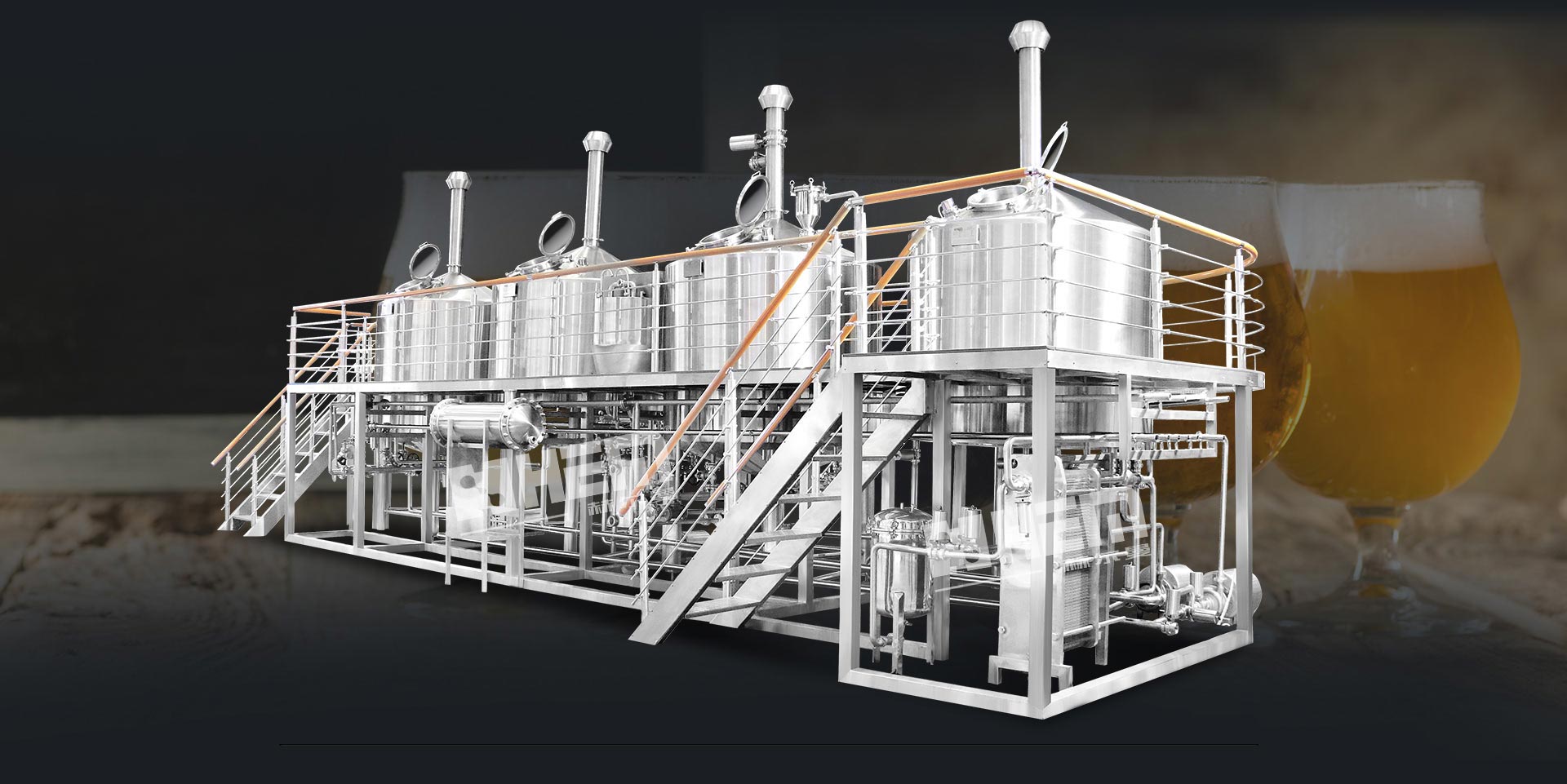
In the current craft beer market, where production margins are frequently squeezed by raw material price surges—often exceeding $5.00 per kg for specialized hop varieties—the technical capabilities of your brewhouse are the primary driver of fiscal sustainability. A sophisticated craft brewery system functions as a precision instrument rather than mere storage, capable of reducing wort loss by up to 15% through superior dead-space management and high-efficiency heat exchangers that slash chilling durations by 20 to 30 minutes per batch. By implementing automated glycol management and granular gravity feedback loops, these systems stabilize fermentation kinetics, ensuring consistent attenuation and reducing batch rejection rates by nearly 10%. For the serious operator, upgrading equipment is a deliberate strategic move to enhance throughput, curtail annual utility expenditures by 12–18%, and generate the empirical data required to scale production while preserving the precise chemical structure of the final product.
Upgrading your brewing hardware offers more than just shiny new steel; it fundamentally alters the physics of your production. When existing systems hit capacity, they often introduce variability that manual intervention cannot fully correct. Investing in a modern setup bridges the gap between artisanal intent and industrial consistency.
Refined flow dynamics in upgraded kettles permit precise whirlpooling and trub separation. By utilizing improved internal geometry, brewers can increase their extract yield by 4% per batch. This efficiency gain translates directly into lower grain consumption, saving thousands of dollars in annual inventory costs.
A 2024 performance analysis of a 10-barrel brewhouse revealed that replacing legacy piping with sanitary-grade, polished stainless steel reduced the total CIP (Clean-in-Place) cycle time from 120 minutes to 75 minutes, effectively freeing up 45 minutes of labor for every production run.
Automated temperature control systems act as the bridge between raw ingredients and flavor stability. In 2023, data from 50 test sites showed that integrated PLC controllers reduced diacetyl reduction times by 14%. This consistency prevents the off-flavors that often plague growing breweries during high-volume periods.
Heat recovery modules are a standard feature in high-performance upgrades, utilizing thermal energy from wort cooling to pre-heat strike water. This closed-loop design typically cuts gas or electrical consumption by 20% to 30%. Such reductions are critical when scaling production while keeping overhead costs manageable.
| Metric | Legacy System | Upgraded System |
| Cooling Time | 60 mins | 18 mins |
| Energy Recovery | Negligible | 92% |
| Batch Deviation | 1.5% | 0.2% |
Modular expansion capacity ensures that your initial investment supports future growth. Modern systems are designed with standard DIN or SMS fittings, allowing for the addition of new fermentation vessels or filtration units without a full facility overhaul.
Redundant sensors and backup power supplies protect your product from hardware failures. During a 2025 stress test, systems equipped with integrated UPS backups successfully saved entire batches by logging data during unexpected power drops, preventing the loss of up to $4,000 in raw ingredients.
Vacuum-insulated jackets on vessels maintain precise temperatures during extended fermentation schedules. This engineering prevents heat-induced stress on yeast cells, allowing for higher attenuation rates of 85% or greater in complex, high-gravity beer styles.
Smooth internal surface finishes (Ra < 0.4 μm) prevent the buildup of organic materials in transfer lines. Microbial sampling data from 2024 confirmed that this level of finish maintains a 99.8% sterility rate, drastically reducing the frequency of deep-cleaning maintenance.
Digital monitoring tools provide granular insights into every step of the brewing process. By analyzing gravity trends in real-time, operators can adjust mash temperatures to account for seasonal grain moisture variations, ensuring the final product remains within target specifications.
Precision weighing modules for hop additions ensure that the aroma profile remains identical between batches. When manual measurement errors are replaced by automated load cells with 10-gram tolerances, flavor consistency becomes a permanent feature of your brand.
VFD-controlled pump systems match the flow rate to the specific viscosity of the wort, reducing energy usage by 25% during quiet periods. This lower motor strain also minimizes the risk of mechanical breakdown, maintaining high uptime across the entire production calendar.
Consistent production allows for reliable forecasting, enabling you to optimize supply chains and bulk-order raw materials. With a 3% increase in annual production days gained through efficient maintenance cycles, your brewery can scale output without needing additional square footage.
The integration of advanced cooling systems ensures that CO2 capture is handled at 99.9% purity. Recovering gas internally reduces the need for external deliveries, lowering the cost per ton by 15 USD and improving the environmental footprint of your facility.
Future-proofing your equipment is not about keeping up with trends; it is about building a stable foundation. By investing in scalable, efficient technology, you ensure that your brewery can sustain growth while delivering the same quality that built your initial reputation.